What Are Ceramides? How They Repair and Protect Your Skin Barrier
Ceramides are lipids that hold skin cells together and lock in moisture. Here is what they do, how to spot a weak barrier, and how to add ceramides to your routine.
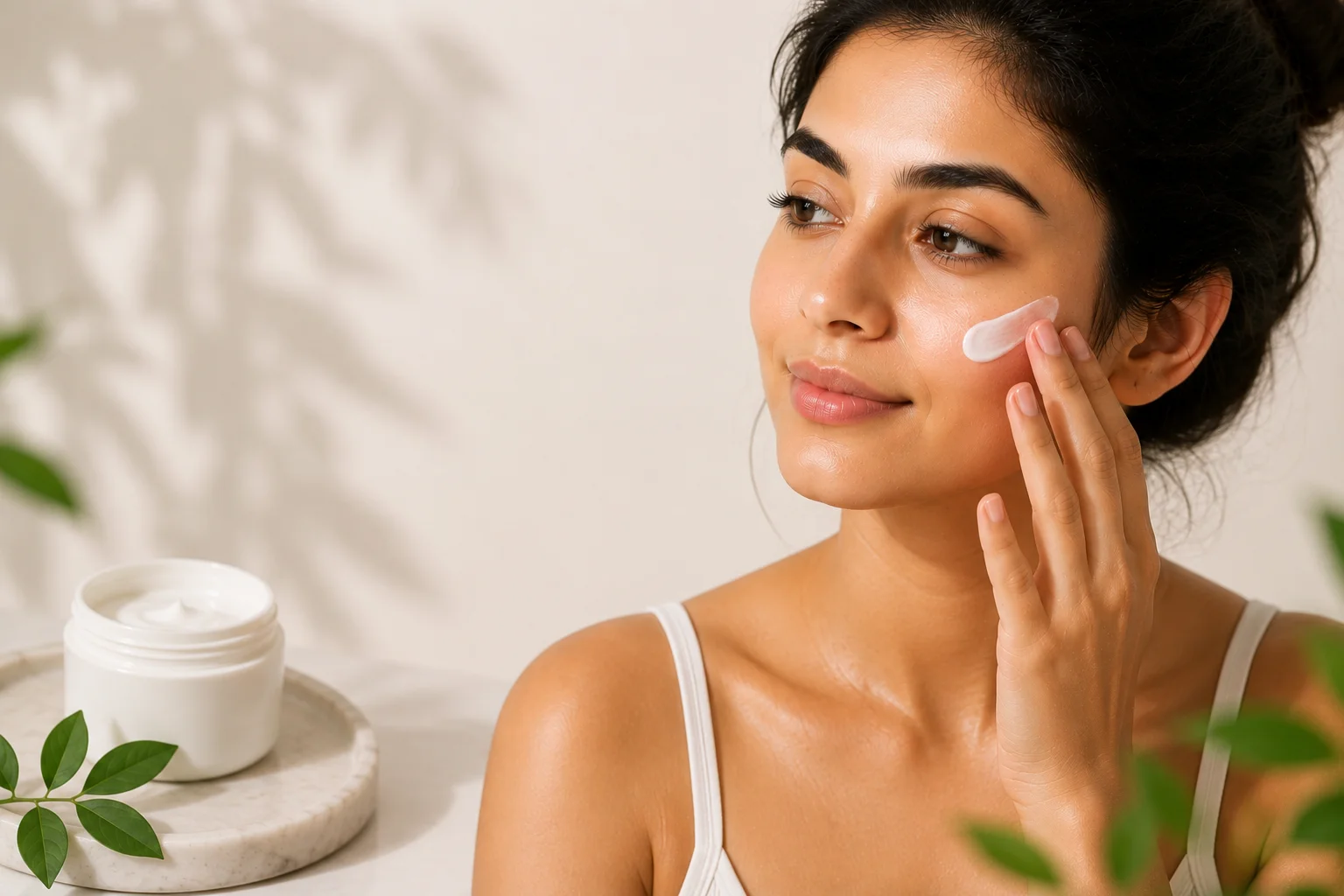
If your skin often feels tight, dry, flaky, or reacts easily to new products, the underlying cause is usually a weakened skin barrier. Ceramides are one of the most important building blocks of that barrier, and understanding what they do can make your routine much more effective.
What ceramides actually do
Ceramides are naturally occurring lipids that sit between skin cells, similar to the mortar between bricks in a wall. They help hold the outer layer of skin together, slow down water loss, and form a protective layer against dust, pollution and irritants. When ceramide levels drop, skin loses moisture faster and becomes more reactive.
Signs your barrier needs support
- Skin feels tight or rough soon after cleansing.
- Visible flaking, especially around the nose, cheeks or lips.
- Products that used to feel fine now sting or cause redness.
- Dryness that gets worse in air-conditioned rooms or cold weather.
How to add ceramides without overcomplicating your routine
You do not need a long routine to support your barrier. A gentle cleanser, a ceramide-containing moisturizer or balm, and daily sunscreen are usually enough. Avoid layering too many active ingredients like acids or retinoids while your barrier feels compromised, since this can make dryness and sensitivity worse.
Ceramides for lips too
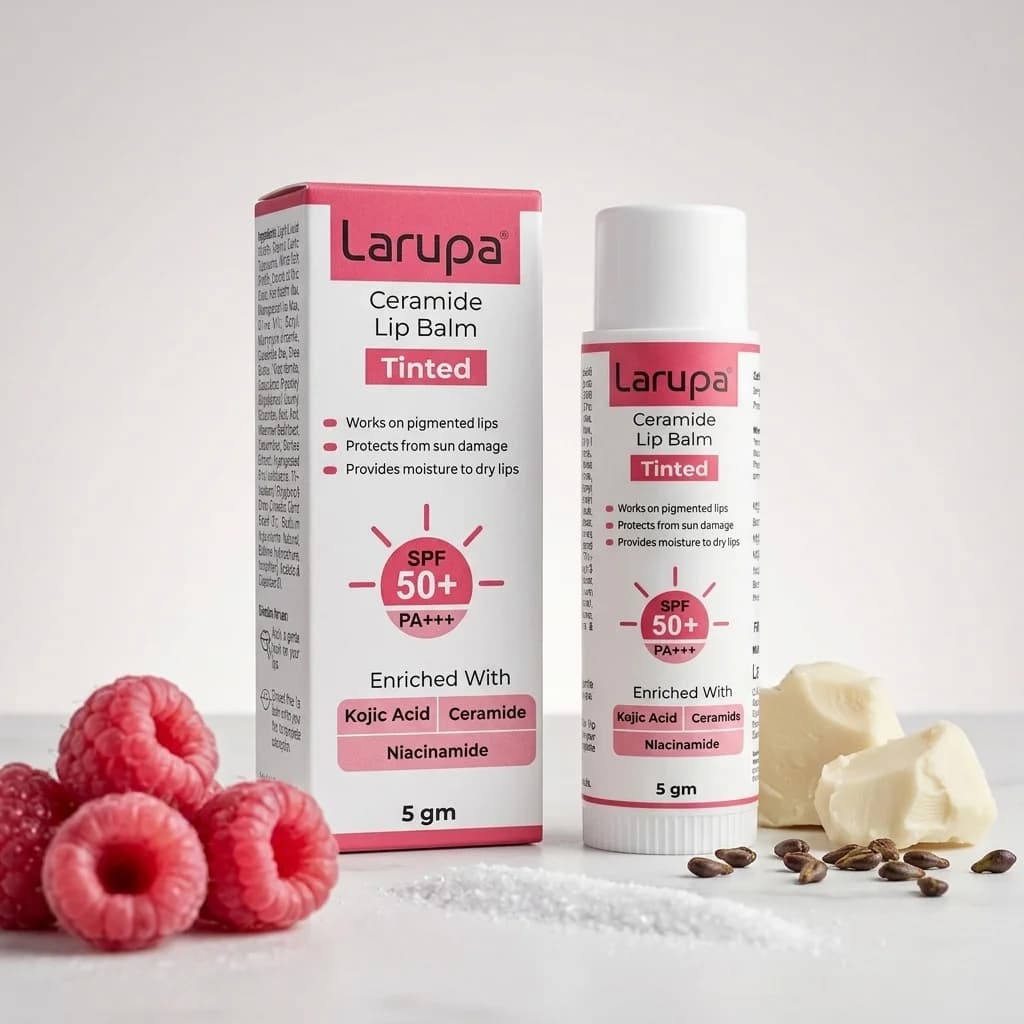
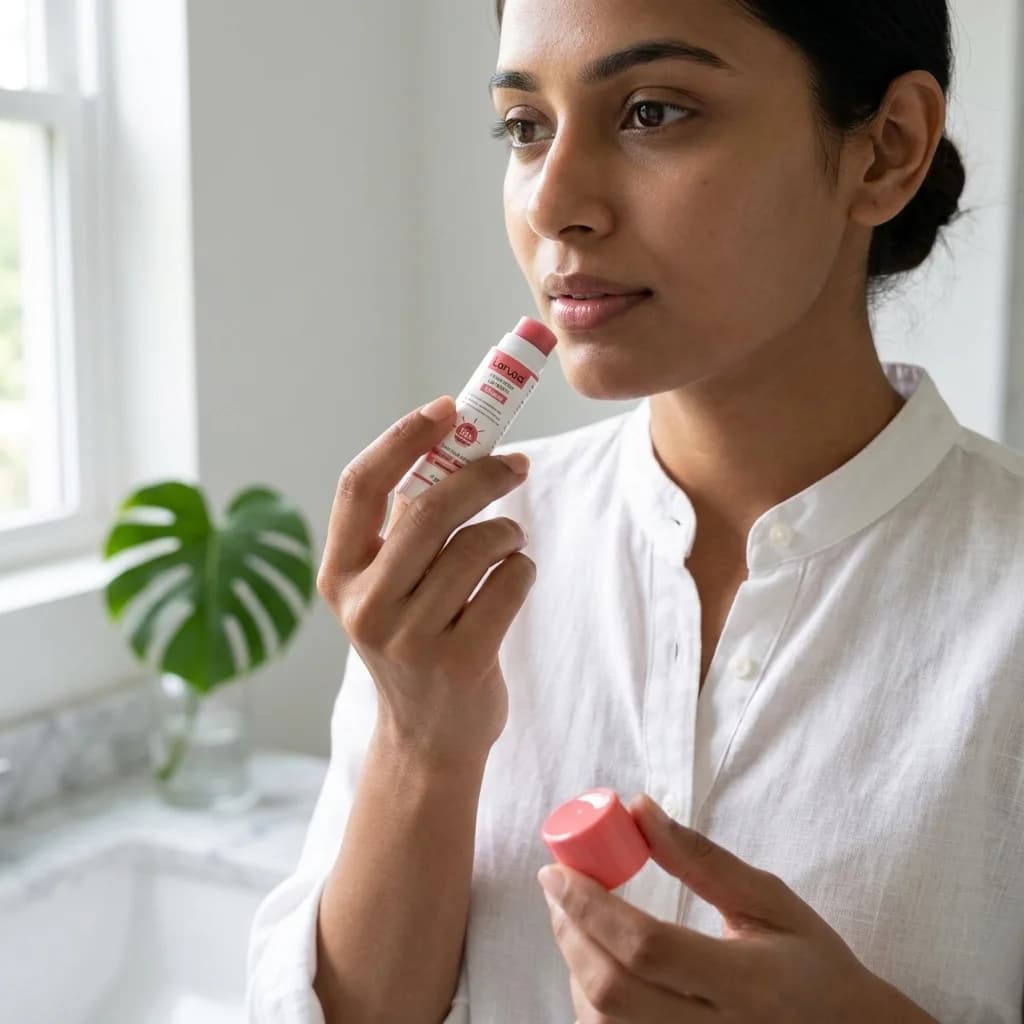
The lips are often the first place dryness shows up because lip skin has no oil glands of its own. The Larupa SPF50 Tinted Ceramide Lip Balm combines ceramides with SPF50 PA+++ so lips get barrier support and sun protection in one step.
Ceramides and a gentle daily cleanse
Cleansing should remove oil and dirt without stripping the skin. The Larupa Glutathione Kojic Acid Brightening Face Wash is designed to cleanse gently while supporting an even tone, which works well alongside a barrier-focused moisturizer.
What ceramides cannot fix on their own
Ceramides support the barrier, but they will not treat active acne, deep pigmentation, or a skin condition like eczema or dermatitis. If dryness is severe, persistent, or accompanied by intense itching or redness, it is worth speaking to a dermatologist rather than relying on over-the-counter products alone.
Products Mentioned in This Article
Continue your routine with these dermatologist-formulated picks.